Hotel Linen Classification And Sourcing Guide
Jun 19, 2026
Hotel linens are a collective term for all recyclable fabrics in guest rooms, bathrooms. Linen directly determines guests' overall experience and online reviews, while also affecting the labor costs of hotel washing and restocking. This article is divided into two major sections based on usage scenarios: guest rooms, bathrooms, with standardized parameter tables covering the entire process of selection, craftsmanship, acceptance, and inventory.

Guest Room Linen
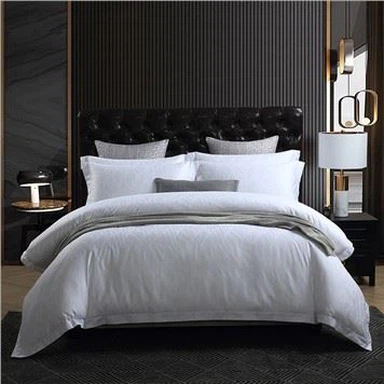
Guest room linen is the textile category with the longest contact time with guests, over 8 hours per guest per night, and also the product with the highest replacement and washing frequency in hotels. Different from household bedding, guest room linen must adapt to high-temperature strong-alkali industrial washing and fully automatic ironing equipment. Softness cannot be taken as the sole standard for selection; resistance to repeated washing, yellowing and tearing ranks first for commercial use.
Main Products & Core Functions
- Flat sheets & fitted sheets: Wrap mattresses to isolate dust and stains. Fitted sheets are fitted with elastic wrapped edges at four corners to avoid shifting during room cleaning and loosening after washing.
- Duvet covers: Outer casings for quilts, easy to disassemble and assemble, suitable for unified sorting and high-temperature disinfection in laundries.
- Pillowcases: Protect pillow cores, unify the visual tone of guest rooms, and cover yellow stains and dirt on pillow cores.
- Pillows & quilts: Core sleep filling materials, available in soft, medium and firm three grades to match differentiated customer groups of mid-range and high-end hotels.
- Bed runners: Soft furnishings for boutique and luxury hotels, which enrich the layered sense of space and block dust at the foot of beds.
Fabric & Craft Selection Standards
|
Hotel Tier |
Fabric/Yarn Count |
Weaving Type |
Post-Finishing Process |
Core Pain Points Solved |
|
Budget Hotels |
60% Cotton + 40% Polyester Blend |
Percale Weave |
Sanforization, Wrinkle-Free Finish |
Cut labor cost for laundry and ironing, low budget, durable for rough washing |
|
Mid-Range Business Hotels |
40S–60S Regular Cotton |
Sateen Weave |
Mercerization, Sanforization, Anti-Pilling Finish |
Balance soft touch, no deformation or pilling after 120 washing cycles |
|
5-Star & Resort Hotels |
60S–80S Combed Long-Staple Cotton |
High-Density Sateen |
Double Mercerization, Anti-Yellowing, Sanforization |
Silky and skin-friendly, long-lasting pure white color for high-end guests |
Supplementary General Industry Features
95% of star-rated domestic hotels adopt pure white guest room linen for unified bleaching and disinfection. All bedding adopts double stitching on four sides with triangular cloth reinforcement at four corners, solving the problem of corner tearing and scrapping during automatic washing and dehydration, with a standard service life of up to 150 industrial washing cycles.

Bathroom Linen
All bathroom linen adopts terry fabric structure. Water absorption speed, GSM weight and lint shedding rate are the top triggers of guest complaints. Many low-cost towels deliver decent water absorption at first, yet the terry loops will fall off and the fabric will harden after 20 washing cycles, mainly caused by single-loop weaving. Bathrooms inside hotels are humid and enclosed, so both mildew resistance and tolerance to disinfectant washing are required.
Full Product Range & Core Functions
- Square towels: For face washing and hand wiping, placed on washstands, the smallest size of bathroom linen.
- Face towels: Daily face cleaning cloths, standard mandatory supplies for all guest rooms.
- Bath towels: Absorb water all over the body after showering, the core item determining bathroom experience.
- Floor towel: Anti-slip water-isolating mats beside shower areas to separate ground water and prevent guests from slipping.
- Bathrobes: For leisure use in guest rooms and spas, divided into lightweight waffle styles and thick terry styles.
Fabric & GSM Weight Grading Standards
|
GSM Weight |
Applicable Business Types |
Fabric Material |
Core Craft Requirements |
|
300–400GSM |
Homestays & Budget Hotels |
Standard Combed Cotton Terry |
Single terry loops, basic softening treatment |
|
400–500GSM |
Mid-Range Chain Business Hotels |
Premium Combed Cotton Terry |
Double terry loops, hydrophilic softening, anti-mildew finish |
|
500–600GSM |
5-Star Hotels & Hot Spring Resorts |
Long-Staple Cotton Double Terry |
Pre-washing to remove loose lint, disinfectant resistance, low lint shedding |
Supplementary General Industry Features
All bathroom linen must pass AQL2.5 sampling inspection before delivery to eliminate defects such as uneven terry density and local loop shedding. Hotels in humid coastal areas need extra anti-mildew post-finishing to avoid mold and peculiar smells during storage and sea transportation. Hotels that apply disinfectant sterilization regularly are recommended to select chlorine-resistant towels to effectively slow fabric aging and hardening. Meanwhile, towel seams use high-density stitching to avoid broken threads and split edges after frequent wringing and drying.

Complete Hotel Linen Procurement Practical Guide
Procurement cannot only focus on unit price. Inventory allocation shall be formulated based on whether the hotel has an on-site laundry house or outsourced laundry services and seasonal passenger flow fluctuations. Hidden craft and acceptance indicators must be written into procurement contracts to avoid defective delivered goods and color difference in subsequent replenishment. Cross-border procurement and multi-store chain procurement need extra consideration of logistics, unified standards and traceability systems. The whole process needs to balance four dimensions: quality, cost, delivery and after-sales service.
1. Tiered Fabric Selection Principles
- Budget hotel
Priority should be given to cotton polyester blended fabrics, whose core requirements are low cost, wrinkle resistance, and a stable supply chain. The fabric can withstand rough washing. Adopting plain weave bedding and standard GSM towels to meet basic usage needs. Reduced unnecessary customization to shorten procurement cycles and lower costs.
- Mid range chain hotels
Standard bedding with 40S-60S count and 500GSM cotton towels to balance procurement costs and guest accommodation experience. Bedding needs to be treated with silk and anti pilling, simple logo embroidery can establish brand awareness, and all linen fabrics can stably withstand more than 120 industrial washing cycles.
- star-rated hotel
Adopting a full range of 60S-80S long staple cotton high count bedding, 500-600GSM thick towels. Support comprehensive customization services, including non-standard sizes, exclusive color schemes, brand embroidery, and high-end packaging. Fabric selection prioritizes skin friendliness and texture performance.
2. Mandatory Craft Acceptance Checklist Before Bulk Orders
|
Inspection Item |
Qualified Standard |
Consequence of Non-Compliance |
|
Stitching Workmanship |
Double stitching on all edges; triangular reinforcement at four corners of bedding and towels |
Corners crack and goods are scrapped after 30 washing cycles |
|
Wash Shrinkage Rate |
Total shrinkage ≤3% |
Oversized shrinkage makes products unable to fit mattresses; towels deform |
|
Color Fastness & Anti-Yellowing |
No yellowing after 100 washing cycles; no cross-staining for colored linen |
Messy room visual effect leading to guest complaints |
|
GSM Weight Tolerance |
Towel GSM error within ±20g; consistent fabric density within the same batch |
Towels in the same guest room vary in thickness, causing messy visual effect |
|
Surface Defects |
No holes, stains, skipped yarns or loose edges |
Direct negative impact on hotel usage and brand image |
|
Odor Test |
No chemical odor, mildew odor or pungent smell |
Trigger guest complaints and fail hygiene standards |
3. Procurement Quantity & Inventory Allocation Standards
Differentiated inventory plans are formulated based on hotel operation modes, passenger flow rules and store quantities, while distinguishing regular rooms, suites, executive rooms, restaurant private rooms and other areas for differentiated stock preparation:
- Hotels Equipped with On-Site Laundry Facilities
Prepare 3 complete sets of linen per bed, divided into in-use, waiting-for-washing and spare sets to realize seamless turnover. Add 0.5 sets of emergency inventory for high-end rooms such as suites and executive rooms; increase overall inventory volume by 10% for core floors with full occupancy all year round.
- Outsourced Laundry / Peak Tourist Seasons & Holidays
Outsourced laundry involves round-trip transportation cycles, so prepare 4 complete sets per bed / table, plus an extra 15% total loss inventory for the whole hotel to cope with unexpected situations such as laundry delays, linen damage and temporary extra room bookings. Hotels in tourist cities shall complete stock preparation one month before peak seasons to lock supply sources and logistics in advance.
- Multi-Store Chain Procurement & Long-Term Replenishment Tips
① Place unified bulk orders with consistent fabric and craft, permanently archive original fabric technical parameters to completely solve cross-batch color difference problems;
② Build regional shared inventory warehouses for unified allocation among multiple stores to reduce single-store storage pressure;
③ Formulate replenishment cycle schedule: stocktake and restock general linen every 3 months, high-loss products (towels, napkins) every month. Review fabric and laundry solutions once the loss rate exceeds 8%.
- Extra Requirements for Cross-Border Procurement
Reserve a 7–15 day buffer period for logistics and customs clearance for overseas orders; increase inventory volume by an extra 5% on the basis of standard allocation to cope with risks such as sea freight delays and customs inspections.

Conclusion
Linen with standardized fabrics and crafts can raise guest satisfaction and cut hotel operating costs including laundry labor and restocking losses. Procurement staff shall implement full-process management covering fabric verification, pre-delivery craft sampling inspection, inventory allocation and supplier assessment. Rational linen procurement matching hotel positioning can control current procurement expenditure, reduce long-term extra losses caused by frequent replacement, maintenance and guest complaints, and lay a solid foundation for stable hotel operation.