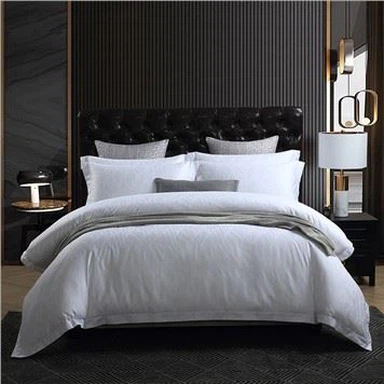
Hotel Linen Daily Care Guide
Jun 12, 2026
Unlike household bedding, hotel bed sheets undergo high-frequency cyclic washing and high-intensity use every day. To maintain the texture, structural integrity, and comfortable feel of bed sheets after hundreds of industrial washes, professional fabric selection, standard industrial washing processes, and daily maintenance are essential.
High quality hotel bed sheets are not limited to the comfortable touch of first-time use. The core criterion for evaluating the quality of bedding in the hotel industry is long-term durability: after repeated high-temperature washing and drum drying, the fabric does not pill, the stitching is firm, and the hand feel is always soft. This article summarizes a comprehensive set of bed sheet maintenance guidelines.

Choose the Right Fabric for Long-Term Hotel Use
How long your sheets last and how well they stand up to frequent washes all depends on the raw material and weaving work. No matter how carefully you do the laundry, cheap fabric will quickly lose shape, pill and turn yellow after just a few dozen commercial washes.
Key Fabric Standards for Hotel Sheets
1. Cotton Types & Yarn Counts
Long-staple cotton is the top choice for star-rated hotels. This material has far fewer short fibers, so it hardly pills or sheds lint. If you want to cut down your initial purchasing cost, regular upland cotton is a good alternative.
In most hotels, we use sheets in 40s, 60s and 80s yarn counts. You can choose based on your hotel's positioning and target guests.
2. Weave Style & Density
Sheets made with higher thread counts are stronger and less likely to tear. There are three common weave types. Plain weave is tough and durable, perfect for budget hotel chains. Twill weave feels soft while staying strong, so it works great for mid-range hotels. High-density satin has a smooth, premium feel and is widely used in five-star hotels.
One detail you can't skip is reinforced edges. This simple craft stops the hems from fraying and wearing out after repeated washes.
3.Factory Pre-Treatment
All qualified hotel sheets are stretched, pre-shrunk and treated to resist pilling before leaving the factory. After 100 standard commercial washes, the shrinkage rate is kept within ±0.8%, so the size will not change at all.
Why Quality Fabric Helps Your Hotel Run Better
Buying professional sheets made for hotel use brings great long-term benefits. These tough sheets can handle tough commercial washing, so you won't need to replace them too often. This helps you save money on new purchases and labor costs.
Meanwhile, sheets that always look neat and feel good leave guests with a great impression, and help build a solid brand image for your hotel.

Standard Laundry Steps for Hotel Sheets
Commercial washing is the biggest test for hotel linens. High heat and alkaline detergent will gradually wear the fabric down. Professional hotels choose suitable laundry methods according to different fabric types.
Basic Laundry Settings
Several key points decide cleaning results and how long your sheets can last:
- Water temperature: Keep water between 60℃ and 70℃ for regular white cotton sheets. High heat works well on stains and kills germs thoroughly to meet hotel hygiene requirements. For finer high-count fabric, turn the temperature down a little to reduce wear.
- Detergent choice: Always use detergent made for commercial textiles. Detergents with enzymes easily break down sweat and body stains. Mild alkaline ingredients remove dust and oil without damaging cotton. Never use regular household detergent, as it has too much fabric softener and will make sheets stiff over time.
- Bleach products: Most hotels use oxygen bleach instead of chlorine bleach. It whitens sheets, gets rid of yellow marks and kills bacteria, and it's much gentler on fabric. We only use chlorine bleach for really tough stains, and we always use it sparingly. Too much chlorine bleach will make fabric brittle and easy to tear.
- Wash time & machine speed: Set the wash time and drum speed based on how much laundry you have, to make sure everything gets fully clean. Do not run the machine longer than needed or turn up the friction, because this will wear out the fabric faster.
- Spin speed: Use medium to high spin to remove extra water. This cuts down drying time and stops bacteria from growing on damp sheets. Never overload the washing machine. Overcrowded sheets cannot be cleaned properly and will wear thin in spots.
Sorting And Pre-Treatment
When you have large amounts of laundry to deal with, sorting clothes and treating tough stains ahead of time is really important.
1. Sorting Rules
Separate sheets by fabric, color and how dirty they are. Always wash white sheets and colored linens apart to avoid color running. Put heavily soiled sheets in separate loads, so dirt won't spread and you won't need to wash them again.
2. Treat Tough Stains First
Before putting sheets into the washer, deal with common stains like sweat marks, yellow discoloration, drink spills and makeup. Put oxygen-based stain remover on the stained areas and leave it for a while to break down dirt. This way you can clean spots better, and avoid damaging fabric by scrubbing the same area over and over.
Stain Treatment Guide
- Sweat stains and old yellow marks: Soak the spot with oxygen stain remover
- Food and drink stains: Use enzyme-based spot cleaner
- Makeup and oil stains: Rub gently with mild degreaser

Drying, Ironing And Folding
Wrong drying methods are the main reason why sheets turn stiff and full of hard wrinkles. All hotels follow the same rules for drying and finishing work, to keep sheets fluffy, smooth and tidy.
Useful Drying Tips
- Dryer temperature: Use medium to high heat for most cotton sheets. It dries them quickly and keeps the fabric firm. Do not leave sheets in extreme heat for too long, or the fibers will lose elasticity, making sheets yellow and stiff.
- Take sheets out right away: Once the drying cycle finishes, take all sheets out immediately. If you leave them inside, wrinkles will set hard and you will have more work to do when ironing.
- Air dry for premium sheets: For high-end satin sheets, use low heat in the dryer first, then let them air dry naturally. This protects their smooth surface.
Ironing & Folding Rules
Most star hotels iron dried sheets with high-temperature rollers or flat irons. Proper heat smooths out wrinkles and makes sheets look neat. After ironing, fold sheets following your hotel's standard way, so they are easy to store, move around and use when making beds.
Daily Care Ideas to Extend Sheet Lifespan
Besides washing and drying, good daily management and protection can slow down fabric aging and help you use each set of sheets for much longer.
1.Use protective covers
Put pillow protectors and mattress covers on every bed. They keep sweat, dirt and dust away from sheets directly. Your sheets will stay cleaner longer, you won't need to wash them so often, and the whole set will last far longer. This easy and cost-effective method is used by almost all big hotel groups.
2. How to use laundry additives properly
- Vinegar as neutralizer: Add a little white vinegar during the final rinse. It clears leftover alkaline detergent, stops sheets from getting stiff and keeps cotton soft and bright.
- Baking soda: Add a small amount of baking soda to regular washes. It helps remove dirt and bad smells, and makes white sheets look brighter naturally.
- Fabric softener: Only use concentrated softener made for hotels, and never use too much. Extra softener will stick to fibers, make sheets less breathable and cause them to slide on mattresses.
3. Rotate sheets and replace worn items on time
Prepare enough spare sheets and rotate them regularly. Do not keep using the same batch all the time, so wear and tear can spread evenly. Arrange staff to check sheets every day. Replace any sheet with large fuzzy areas, thin spots, holes or loose seams right away. You can fix small loose threads on site. Follow clear rules to throw away old sheets, so all sheets in use meet your quality standard.
4. Proper storage
Keep folded sheets in a cool, dry and well-ventilated linen room. Keep them away from direct sunlight, which will fade the fabric and make fibers brittle. Use breathable shelves or packaging for storage. Never leave sheets in closed and damp spaces, or they will grow mold and smell bad. Sort sheets by size and style, so you can find and count them easily.

Work with Linen & Laundry Suppliers
Most large hotel groups do not let their housekeeping team handle linen work alone. They work with professional linen makers and third-party laundry services to control quality from start to finish.
Work with Linen Manufacturers
Reliable suppliers offer fabric specially made for frequent commercial washing. They tell you clearly how many times the sheets can be washed, how to take good care of them and provide quality guarantee. Based on your hotel style and guest volume, they will suggest the best yarn count and weave type to fit your daily use.
Work with Professional Laundry Services
Professional laundry companies have large machines and standard working steps. They make special laundry plans for different sheets, strictly control water temperature, detergent amount and wash time, and regularly tell you how the sheets are wearing out. Both sides sign detailed agreements, to make sure the washed sheets always meet your requirements and last as long as expected.
Staff Training & Daily Rules
Train housekeeping and linen management staff on a regular basis. Teach them the right way to sort linens, remove stains, carry items and store them. Set clear rules to stop people from pulling, scraping or piling sheets randomly, which causes unnecessary damage. Make sure every step, from collecting dirty sheets to handing out clean ones, follows standard rules.
How Good Linen Care Benefits Your Hotel
Sheets touch guests' skin directly. How soft, clean and nice they look has a huge influence on guest satisfaction and your hotel's reputation. A survey from the American Hotel & Lodging Association shows that linen comfort and cleanliness are among the top three things travelers care about most during their stay.
Well-cared-for quality sheets create a comfortable and high-end experience for every guest. Fabric that stays in good condition helps you avoid complaints about fuzzy surfaces, holes, stiff texture or strange smells.
When sheets last longer, you don't need to buy new ones so often, and you can cut down labor work too. This brings steady savings for your hotel in the long run. Investing in good sheets and setting up a complete care system is key to building your hotel brand and running the business well for years to come.
FAQs
1. What kind of cotton sheets are best for long-term hotel use?
We recommend combed long-staple cotton sheets with proper yarn count and high density. This type of fabric can stand up to hundreds of commercial washes, hardly pills and keeps its original size.
2. How to stop white sheets from turning yellow after repeated washes?
Use detergent and bleach in the right amount, and rinse sheets fully to remove chemical leftovers. Choose oxygen bleach for whitening instead of chlorine bleach. Do not use very high heat when drying, and keep stored sheets away from sunlight.
3. Why do hotel sheets stay soft after many washes while home sheets turn stiff easily?
Hotels use low-residue commercial detergent and neutralizing rinse products, together with proper water temperature and machine settings. Household detergent leaves more chemicals behind, and wrong washing habits will make fabric stiff quickly.
4. What to do if sheets start pilling?
Use a fabric shaver to clear small fuzzy spots. If the whole sheet is covered with pills, replace it right away.
5. What is the standard shrinkage rate for qualified hotel sheets?
After more than 100 standard commercial washes, good hotel sheets shrink less than ±0.8%, which will not affect normal bed making.
6. How long do hotel sheets normally last?
With proper use and laundry care, regular 40s and 60s sheets can be washed more than 150 times. High-density premium sheets can last over 200 washes.
7. Can we wash colored sheets with white sheets using the same process?
No. For colored sheets, you need to lower water temperature, use less bleach and choose color-protective detergent to prevent fading and color running. They must be washed separately.

Conclusion
Great performing hotel sheets come from good raw materials, standard commercial laundry work and careful daily management. Every step, from fabric production at the factory to washing, drying, storage and rotation in the hotel, follows clear industry rules.
For the hotel business, durable and tidy sheets are not just basic room supplies. They also show how good your service is. Choosing sheets made for commercial use and following complete care steps will improve guest experience, control overall operating costs, and help your hotel develop steadily in the future.