


Hotel Linen Supply Guide: How To Reduce Procurement Costs
Jul 14, 2026
Buying hotel linen from Chinese factories brings good prices and custom options for overseas hotels. But many buyers run into hidden extra fees, inconsistent colors between batches, delayed shipments and products failing local safety checks. Even after reading basic purchasing guides, procurement staff cannot fully figure out total costs and compliance risks.
This guide breaks down key cost factors, matching rules for different hotel types and compliance control tips. It helps you get clear pricing, consistent linen quality and zero unexpected troubles for your hotel orders.
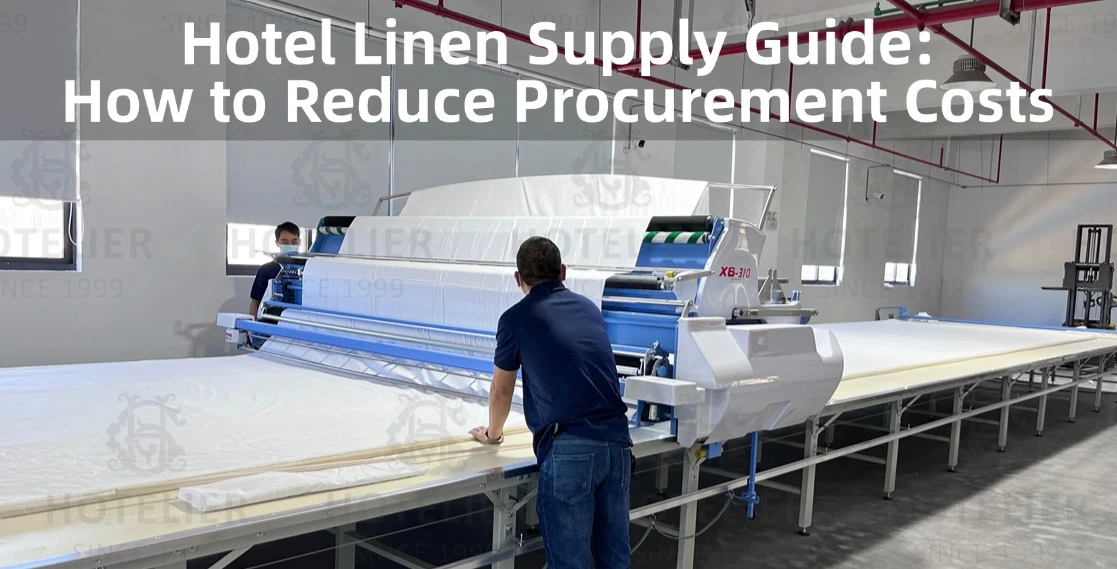
Hotel Linen Sourcing: Cost Breakdown & Simple Reference Table
|
Cost Factor |
How It Changes Your Total Bill |
Cost-saving Solutions from Reliable Linen Factories |
|
Fabric quality |
Thin basic cotton costs much less than soft thick long-staple cotton used in luxury hotels. |
Pick fabric only fit your hotel level; do not buy premium thick fabric for cheap homestays. |
|
Towel & bathrobe thickness |
Heavy thick towels and bathrobes use more cotton and push up prices. |
Choose medium-weight towels for mid-range hotels to cut material costs. |
|
Fabric finishing work |
Extra softening, anti-wrinkle and brightening treatments add production fees. |
Only use full fancy treatments for high-star hotels; basic finishing works well for budget hotels. |
|
Custom embroidery & packaging |
Big complicated logos and brand gift boxes cost extra money. |
Use simple small logos for chain hotels; plain common packaging for bulk orders. |
|
Defective goods waste |
Small unstandardized suppliers have many flawed items; good factories rarely produce faulty linen. |
Factories reserve a small loss buffer in quotes with no hidden rework charges. |
|
Supplier type & quotation |
Middlemen add extra service fees and offer unstable quality. Direct factory quotes include real production costs after manual check. |
Buy straight from real linen factories; every price gets double checked by sales and textile workers. |
Key Takeaways:
- Choose proper fabric and towel thickness: Match material weight to your hotel grade, save cotton cost while keeping comfortable touch and long service life.
- Pick fabric based on real needs: Soft high-end long-staple cotton is only necessary for luxury resorts; standard cotton fits budget and mid-tier hotels well to avoid waste.
- Extra finishing work takes up much of your budget: Simplify fancy treatments for regular hotels to cut total cost; confirm all craft details before signing orders.
- Ask factory workers to review your demand first: Automatic rough price lists ignore safety rules and color difference risks. Formal orders need two checks: basic price calculation + manual factory review to avoid surprise charges.
Who Can Use This Guide? All Global Hotels
Why You Can Trust This Guide: Real Experience from Chinese Linen Factories
Good hotel linen is not just white and soft. The real standard is whether it passes local safety tests and stays in good shape after repeated hotel washing. With years of experience supplying overseas hotels, factories find common risks: uncertified fabric contains harmful substances, restocked linen looks different in color, and fabric shrinks badly after washing. Every batch of linen will finish full safety tests before delivery.
Real Cases to Show Better Sourcing Results
An overseas mid-range hotel once bought linen from middlemen. They waited long for delivery and often received flawed goods. After cooperating with a direct Chinese factory:
- Waiting time for finished goods became much shorter;
- Broken, discolored linen appeared far less often;
- Certified fabric avoided customs hold-up issues completely.
A bad example for warning: A luxury resort bought cheap untreated linen without factory review. After months of washing, fabric turned yellow and shrank heavily, causing lots of guest complaints and extra replacement costs. Factories will check your hotel's daily washing frequency, local safety rules and room quantity first, then suggest the most suitable linen plan for you.
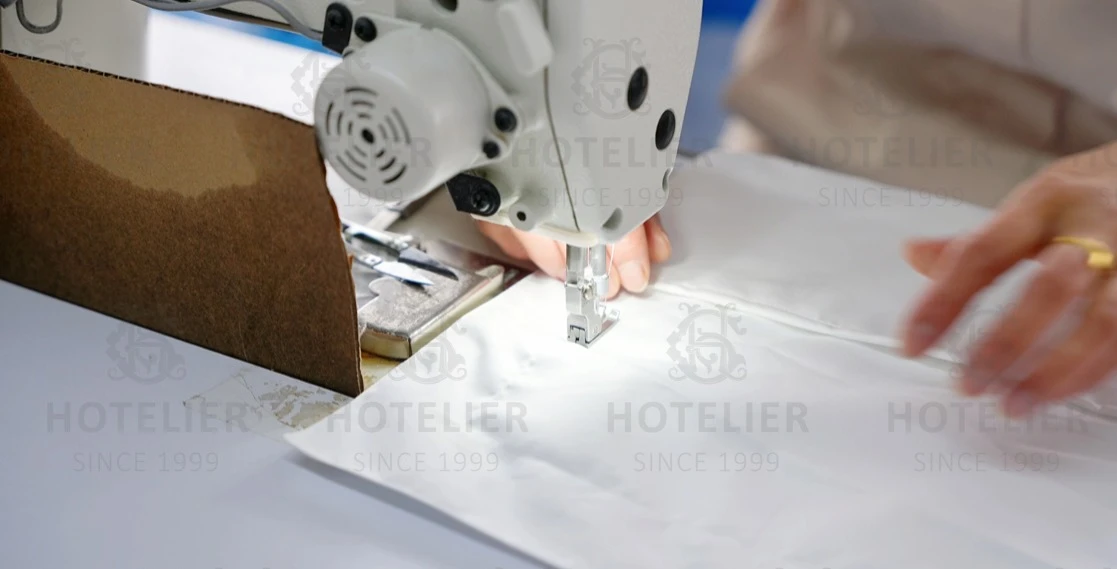
Why Different Suppliers Give Very Different Prices for the Same Hotel Scale?
The total cost of hotel linen does not only depend on order quantity. Fabric type, custom patterns, dye stability and safety certificates all affect production time and factory costs. Trustworthy Chinese factories list all cost items clearly when quoting, so you know exactly how much you will spend from design confirmation to delivery.
1. Fabric thickness decides raw material cost and service life
Thick high-quality cotton costs far more than thin basic cotton. Factories suggest thin cotton for homestays with low guest flow and thick soft cotton for busy luxury hotels. Early communication helps you avoid overspending on unnecessary premium fabric.
2. Complex embroidery and special colors raise processing fees
Large logos, gradient colors and multi-layer stitching take more labor than simple small embroidery. Factories will mark all custom craft fees separately in quotes to prevent hidden charges after mass production.
3. Unstable dyeing leads to extra rework cost
Middlemen send orders to random small workshops, so new restock linen does not match old ones in color. Direct factories use fixed dye formulas and raw cotton sources, so new and old linen look almost the same with no rework needed.
4. Factory staff check all custom demands to show real costs
Before mass production, workers will check your room size, embroidery style and fabric needs. For example, extra strong stitching on oversized bed sheets takes more production time, and all related fees will be written clearly in the quotation.
As direct manufacturers,we provide a full cost list for all your custom requests
Clear quotes replace vague estimated prices with real production costs of cotton, labor and safety testing. Every formal offer includes full demand analysis, helping purchasing teams make accurate budgets with no unexpected fees.
How Fabric & Craft Adjustments Cut Your Linen Purchase Cost?
Solid super thick fabric wastes cotton and increases washing loss. Adjusting fabric thickness and finishing methods can save lots of cotton while keeping linen usable for long-term hotel washing. Simple optimization rules for all hotels are listed below:
1.Pick suitable fabric thickness to lower raw material cost
- Cost effect: Less cotton used means lower total purchase price.
- Factory support: Workers test to find the thinnest qualified fabric matching your daily washing frequency.
- Result: Cheaper linen without losing softness and durability.
2.Use standard simple finishing for most hotels to save processing fees
- Core idea: Cancel fancy anti-wrinkle and double softening treatments for mid-range and budget hotels, keep only basic shrinking control and cleaning processes.
- Advantage: Faster production and lower factory energy cost.
- Usage: Perfect for business hotels and quiet homestays.
- Service: Factories provide two sets of craft plans for you to choose freely.
3. Fixed dye rules keep restock color consistent and avoid rework
- Production rule: Use the same dye formula for all follow-up orders, control fabric shrinkage within a small range.
- Stable quality: New and old linen have no obvious color gap, no need to remake goods due to color mismatch.
- Risk control: Seal fabric color samples before mass production as the fixed quality standard.
4. Luxury hotels get the best long-term cost performance
- Durable advantage: Premium long-staple cotton linen can be washed many more times, cutting annual replacement frequency.
- Real case: A five-star resort changed to high-quality cotton linen; they bought new linen much less often and received better guest reviews.
- Result: Slightly higher one-time cost, but less repeated spending and better guest experience.
By matching fabric and craft to your hotel positioning, you can cut cotton usage and shorten production time greatly. These conclusions come from thousands of real hotel orders, not theoretical guesses. Procurement teams can reduce costs from the first order, so fabric adjustment is a necessary way to save money.
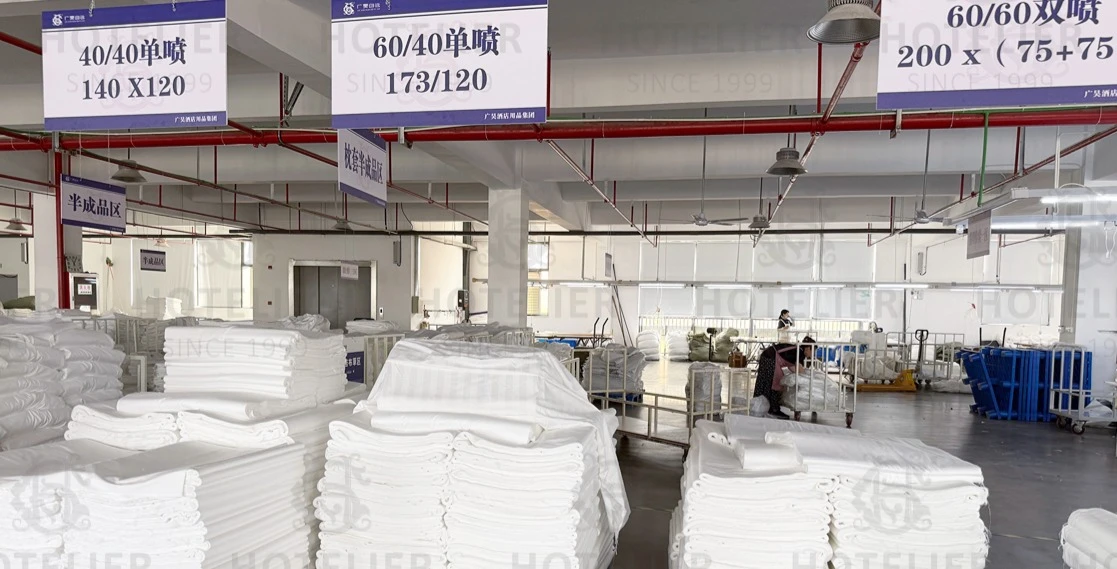
Conclusion
The purchasing solution for hotel linen varies depending on the size, budget, and long-term operational goals of the hotel. Local suppliers have performed well in providing rapid emergency supply for small short-term hotel projects, while Chinese comprehensive linen manufacturers stand out among those with mature industrial chains and large-scale customization. The reputable Chinese factory further provides comprehensive services from customized design and third-party quality testing to global logistics, meeting the standardized procurement requirements of international hotel brands.


